
Live Webinars Featuring the Giants of Fascia, Available to All FRS Members
Benefits of Becoming an FRS Member
FRS membership offers financial benefits, as well as interpersonal and professional development opportunities to researchers, clinicians and educators working in many areas of study involving fascia. Additionally, students working towards these disciplines, and all others interested in the study, research and/or treatment of fascia in any or all of its forms and functions find membership beneficial.
See our full list of membership benefits here.
Our Purpose:
Fascia is the most pervasive, but perhaps least understood network of the human body. No longer considered the 'scraps' of cadaver dissections, fascia has now attracted the attention of scientists and clinicians alike. Yet many scientists and clinicians working in fasciae are unfamiliar or have limited experiences with each other's work.
Through a variety of member benefits, the Society connects the Fascia community between the now triennial Fascia Research Congresses, and facilitates ongoing exposure to others working in all disciplines of the field.
ALL TIMES SHOWN ARE PACIFIC DAYLIGHT TIME
New FRS Research Café – Building Confidence with Research
8th August 2026 - 9:00 AM – 10:00 AM PDT - FREE FOR FRS MEMBERS
FULLY BOOKED - WAITING LIST OPEN
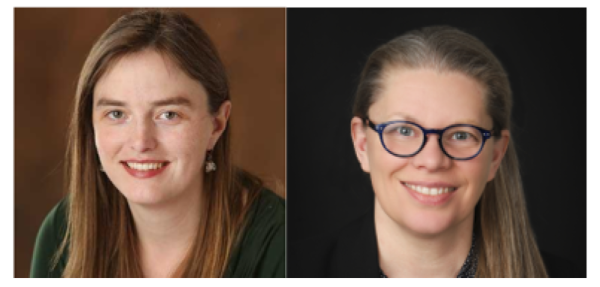
Hosted by integrative health educator Dr Kathryn Hansen (Vanderbilt University) and fascia researcher Dr Kyra De Coninck (University of Kent).
The first session will focus on practical aspects of research literacy:
- How to find and access research papers (without a University account)
- How to critically evaluate different levels of evidence
We will be running a pilot series of four sessions, taking place every two months. Places are limited to maintain an interactive format, so early booking is recommended. This initiative is part of our broader commitment to making research more accessible, relevant, and usable for the diverse FRS community, from clinicians and manual therapists to movement educators and researchers.
This event is only available to FRS members. Not a member yet? Click here to join.
Sorry, the event is now full and we could not accept more registration
Jesse Cochrane, PhD / Courtney Mascio Lipedema Foundation - Lipedema: From Diagnosis to Treatment – Clinical Insights and Fascial Connections
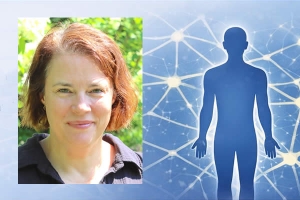
In this upcoming Fascia Research Society webinar, Jesse Cochrane and Courtney Mascio explore the complex and often misunderstood condition of lipedema through both clinical and fascial perspectives. The session will examine current approaches to diagnosis, common clinical presentations, and the challenges many patients face in obtaining appropriate recognition and care.
Drawing on emerging research and clinical experience, the presenters will discuss the potential role of fascia and connective tissue in lipedema, including how fascial dysfunction may contribute to pain, tissue changes, mobility limitations, and altered biomechanics. The webinar will also address conservative and interdisciplinary treatment approaches, providing practical insights for clinicians working with individuals living with lipedema.
This webinar will be of interest to manual therapists, movement professionals, rehabilitation clinicians, researchers, and healthcare practitioners seeking a deeper understanding of the relationship between fascia, adipose tissue disorders, and whole-person care.
Danling Wang, PhD - Multiple Faces of Hyaluronan in Fascia Health and Disease
Fascia is increasingly recognized as a dynamic organ that plays essential roles in force transmission, tissue gliding, and tissue repair. Hyaluronan (HA), a major glycosaminoglycan component of the fascial extracellular matrix, has traditionally been viewed as a passive lubricant that facilitates sliding between adjacent fascial layers. However, accumulating evidence indicates that HA possesses a much broader spectrum of biological functions that extend beyond its mechanical properties. HA functions as a highly dynamic signaling molecule whose biological activities are regulated by its molecular weight, turnover, and interactions with diverse cell types and receptors.
Recent studies suggest that HA serves as a critical regulator of tissue homeostasis, orchestrating cellular responses that influence inflammation, regeneration, and fibrosis. In this presentation, “Multiple Faces of Hyaluronan in Fascia Health and Disease,” we will explore the multifaceted roles of HA in maintaining fascial health and discuss how HA signaling contributes to pathological fibrosis and impaired tissue regeneration.
Bruno Chikly, MD - The Primo Vascular System (PVS): A newly discovered 'fluid fascia' structure for manual therapy
The primo-vascular vessels (PVS) constitute a novel human biological system, a changing paradigm in medicine: it is a new “fluid fascia”.
We’ll envision its prospective applications for manual therapy.
In the early 1960's, a remarkable scientific discovery was made in North Korea, though went virtually unnoticed and unrecognized for nearly 40 years until 2002, where it resurfaced slowly emerging as a novel anatomical structure.
This very unique anatomo-physiologic system, entitled “primo-vascular system” (PVS), is depicted as a novel circulatory system, though set apart from those of the arterio-venous, lymphatic, and cerebrospinal systems.
One of its characteristics is that it has been described as carrying biophotons and a large quantity of small adult stem cells. It comprises immune functions, some endocrine functions and is found deeply involved in pathological processes including inflammation and cancer.
The verification of PVS presence in fascia, intravascular and extravascular spaces, on the surface of viscera, within the CNS, in cutaneous layers, and most body systems may signify a novel and complete morpho-dynamic system with potential to shift paradigms in manual therapy.
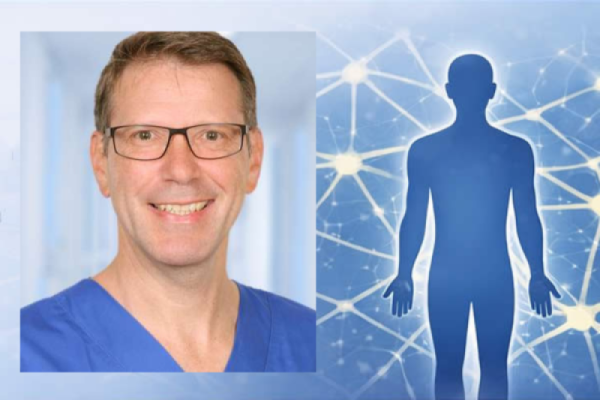
Werner Klinger, MD, PhD - Impact of Fascia on Body Physiology
Amy Baxter, MD - Interrupting Paraspinal Progression From Acute To Chronic Low Back Pain: Mechanistic Hypotheses
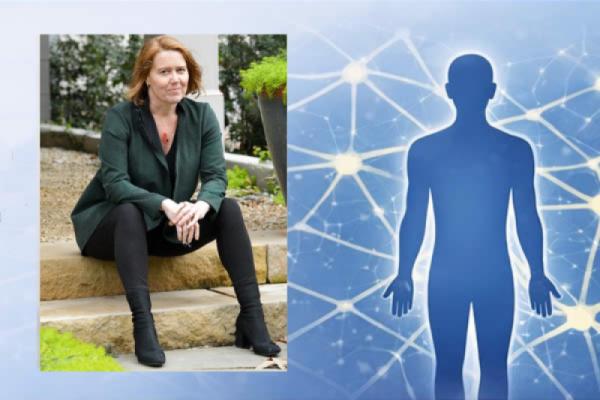
Interrupting paraspinal progression from acute to chronic low back pain: mechanistic hypotheses.
Low back pain is the single biggest contributor to intractable disability worldwide, and the single largest cause of non-cancer opioid prescribing in the US.
Results from an NIH/NIDA Help End Addiction Longterm project comparing mechanical vs. electrical noninvasive stimulation devices were published last year. Compared to electric stimulation, multiple frequencies of mechanical stimulation significantly reduced opioid use, prescribing, acute progression to chronic low back pain. Based on these results and a recently submitted secondary analysis of responder characteristics, the most likely hypothesis is that different frequencies are having a greater effect on early muscular transition to chronic pain than central sensitization or self-efficacy.
This talk will briefly cover the implications of the LBP treatment trajectory in the US, from spine surgery to spinal cord stimulation to a biopsychosocial model and recent research on the neurostimulation restoration of muscles. The underpinning physiology of mechanical stimulation frequencies for indirect and direct effects on fascia to prevent chronic pain will be emphasized.