
Amy Baxter, MD - Interrupting Paraspinal Progression From Acute To Chronic Low Back Pain: Mechanistic Hypotheses
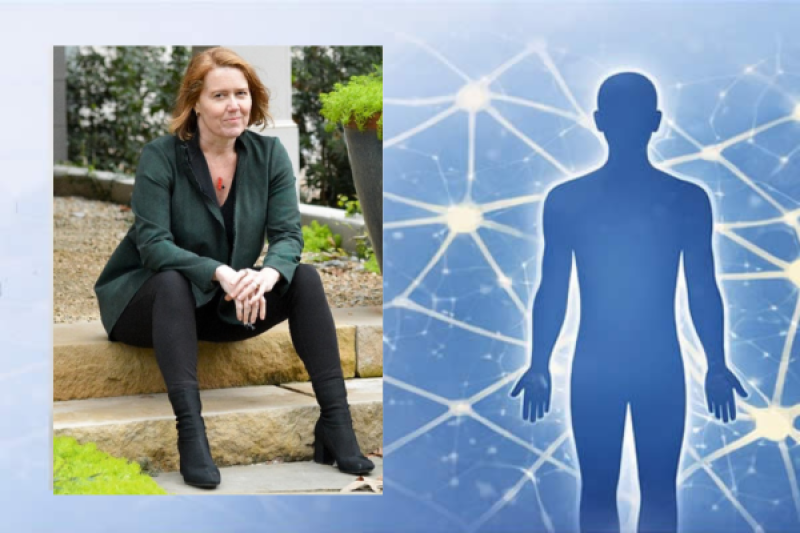
Interrupting paraspinal progression from acute to chronic low back pain: mechanistic hypotheses.
Low back pain is the single biggest contributor to intractable disability worldwide, and the single largest cause of non-cancer opioid prescribing in the US.
Results from an NIH/NIDA Help End Addiction Longterm project comparing mechanical vs. electrical noninvasive stimulation devices were published last year. Compared to electric stimulation, multiple frequencies of mechanical stimulation significantly reduced opioid use, prescribing, acute progression to chronic low back pain. Based on these results and a recently submitted secondary analysis of responder characteristics, the most likely hypothesis is that different frequencies are having a greater effect on early muscular transition to chronic pain than central sensitization or self-efficacy.
This talk will briefly cover the implications of the LBP treatment trajectory in the US, from spine surgery to spinal cord stimulation to a biopsychosocial model and recent research on the neurostimulation restoration of muscles. The underpinning physiology of mechanical stimulation frequencies for indirect and direct effects on fascia to prevent chronic pain will be emphasized.
Event Information
| Event Date | 2026-12-12 8:00 am - 9:00 am |
| Cut Off Date | 2026-12-13 |
| Capacity | Unlimited |
| Individual Price | $50 or free to FRS members |
| Speaker | Amy Baxter |
| Number Hours | 1 |